

Quick verdict
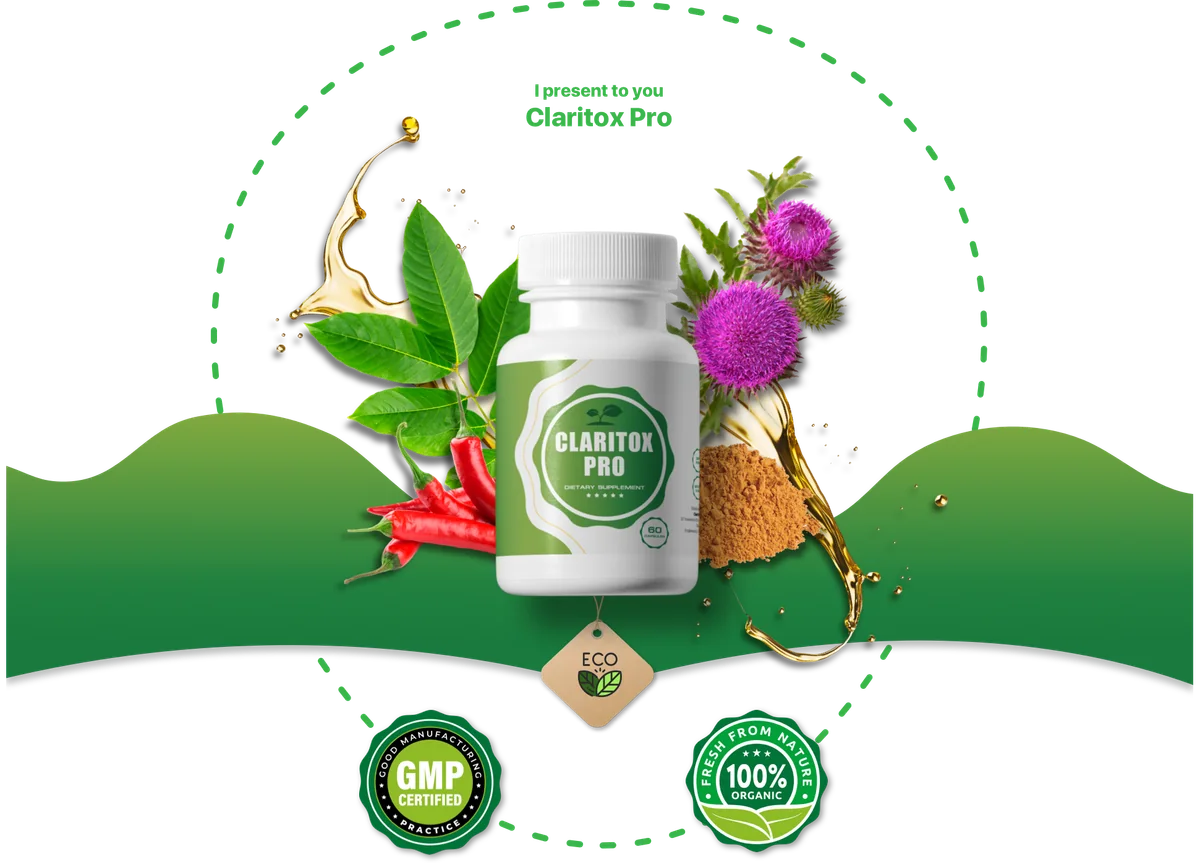
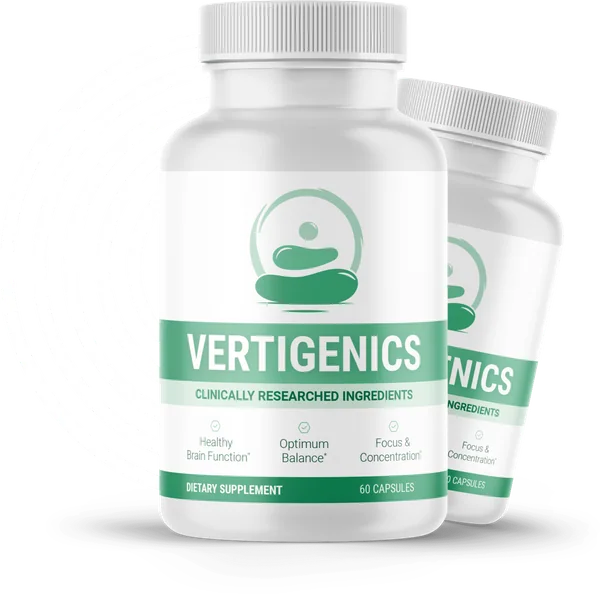
At the published-label level, Claritox Pro and Vertigenics are effectively the same supplement. Both print zinc 11 mg, chromium 100 mcg, alpha-lipoic acid 150 mg, green tea 150 mg, berberine HCl 100 mg and resveratrol 40 mg, followed by a 112 mg proprietary blend of milk thistle, cayenne, ginseng and banaba. Both are 60-capsule bottles with a two-capsule serving. The visible difference is the marketing story: Claritox blames ototoxins, while Vertigenics blames dioxins. Neither explanation is supported as a general cause of vertigo, and neither product has a published clinical trial. The sensible verdict is not to pick the better story. It is to treat them as one unproven formula sold twice, and to compare the current all-in total and written refund terms if you decide to try either.
Offer pages checked Oct 29, 2026. Confirm the package total, shipping charge and 60-day refund terms before paying.
Table of contents
The short answer
If you are asking whether the two products list the same active formula, the answer is yes at the level of the Supplement Facts panel. The six quantified ingredients match ingredient for ingredient and milligram for milligram. The proprietary blend total is the same, and the blend names the same four botanicals. The serving size and bottle count also match.
That does not prove the products are identical. A label comparison cannot tell you whether the raw materials come from the same supplier, whether the extracts are standardized the same way, whether the ginseng plant part is the same, or whether either product has been tested for purity, potency or contaminants. Neither seller publishes a finished-product certificate of analysis. Neither seller publishes a clinical trial of the finished formula.
What the comparison can tell you is more limited and more useful: there is no formula-based reason to pay a premium for one brand over the other. The buyer is choosing between two versions of the same unproven antioxidant and botanical blend, each wrapped in a different detox story.
Label-by-label comparison
The table below uses the amounts printed on each seller’s published Supplement Facts label. “Proprietary blend” means the total weight is disclosed but the amount of each botanical is not.
| Label item | Claritox Pro | Vertigenics |
|---|---|---|
| Zinc | 11 mg (100% DV), as zinc gluconate | 11 mg (100% DV), as zinc gluconate |
| Chromium | 100 mcg (286% DV), as chromium picolinate | 100 mcg (286% DV), as chromium picolinate |
| Alpha-lipoic acid | 150 mg | 150 mg |
| Green tea leaf extract | 150 mg; 98% polyphenols, 80% catechins, 50% EGCG | 150 mg; 98% polyphenols, 80% catechins, 50% EGCG |
| Berberine HCl | 100 mg | 100 mg; described as 97% berberine from Berberis aristata |
| Resveratrol | 40 mg; from Polygonum cuspidatum root extract | 40 mg; from Polygonum cuspidatum root extract 200:1 |
| Proprietary blend | 112 mg: milk thistle seed extract 80% silymarin, cayenne fruit 40,000 HU, Korean ginseng aerial extract 8% ginsenosides, banaba leaf extract 2% corosolic acid | 112 mg: milk thistle seed extract 80% silymarin, cayenne fruit 40,000 HU, Asian ginseng aerial parts 8% ginsenosides, banaba leaf extract 2% corosolic acid |
| Bottle and serving | 60 capsules; 2 capsules per serving; 30 servings | 60 capsules; 2 capsules per serving; 30 servings |
| Other ingredients | Gelatin, microcrystalline cellulose, magnesium stearate, silicon dioxide | Microcrystalline cellulose, gelatin, magnesium stearate, silica |
The one wording difference inside the blend is “Korean ginseng” on the Claritox panel and “Asian ginseng” on the Vertigenics panel. Both names usually refer to Panax ginseng, and both panels describe an 8% ginsenoside aerial extract. That is not enough to establish a meaningful formula difference, but it is also not enough to call the finished products interchangeable. The plant part and extract identity should match if the labels are describing the same material.
For a wider look at how these panels compare with four other sensory supplements, read the 2026 sensory supplement label audit. For the full reviews, see Claritox Pro and Vertigenics.
What actually differs
The products differ more in presentation than in formulation. Four differences matter to a buyer:
- The explanation for vertigo. Claritox Pro says the formula targets “ototoxins” that disrupt the brain-ear-eye connection. Vertigenics says the formula targets “dioxins.” These are different stories attached to the same active panel.
- The seller and checkout path. The offers use different domains, sales pages and checkout flows. That affects how easy it is to confirm the final total, the seller identity and the refund terms before paying.
- Price presentation. On the date we checked, the Vertigenics text offer printed package prices, while the Claritox Pro text offer showed package sizes without a comparable price table. That is a transparency difference, not proof that either product is cheaper.
- Refund wording. Both policies describe 60 days from delivery, but the surrounding advice differs. Both tell buyers to use the product longer than the refund window, which weakens the practical value of the guarantee.
The labels also share a returns address: 19655 E 35th Dr #100, Aurora, CO 80011, USA. That is a factual match, not proof of common ownership. Affiliate offers often share fulfillment or support vendors. Without corporate records or a certificate of analysis, the safest conclusion is that the offers are closely related but their manufacturing relationship is unverified.
Ototoxins vs dioxins
Ototoxicity is a real medical term. It describes damage to the inner ear or hearing nerve caused by specific drugs, including certain antibiotics, platinum-based chemotherapy, loop diuretics and high-dose salicylates. It is not a general explanation for most dizziness, and there is no evidence that a dietary supplement removes ototoxic damage or restores balance.
Dioxins are real environmental contaminants with documented health effects. They are not a routine clinical explanation for vertigo, and the Vertigenics page does not provide evidence that its formula removes dioxins from the body or that doing so would treat a balance disorder. The WHO’s dioxin fact sheet describes exposure, persistence and health effects; it does not describe a supplement cure.
This matters because both sales pages use a dramatic mechanism to make an ordinary antioxidant blend sound like a targeted treatment. The mechanism changes; the evidence does not. A product can contain plausible nutrients and still fail to treat the condition in its marketing story.
What the evidence supports
We found no published clinical trial of Claritox Pro or Vertigenics. PubMed searches for each brand name returned no product-specific trial. That is not unusual for a supplement, but it means the central claims rest on ingredient research, not on the finished formula.
| Ingredient | What the research is about | Why it does not settle the claim |
|---|---|---|
| Alpha-lipoic acid 150 mg | Mixed evidence in diabetic peripheral neuropathy, often at 600 mg per day and sometimes intravenously | The dose is one-quarter of the commonly studied amount, the condition is different, and the finished blend has not been tested for vertigo. |
| Chromium 100 mcg | Blood sugar and insulin action; one small cognition study is cited by the sellers | It did not test either product, balance or vertigo. Correcting a deficiency is not the same as treating a vestibular disorder. |
| Berberine 100 mg | Blood sugar and cholesterol; poor absorption and common stomach upset | No vertigo trial at this dose. It can interact with several medicines. |
| Green tea extract 150 mg | Mixed, mostly short-term cognitive research; rare liver-injury reports at high supplemental doses | No balance or vertigo trial. The label does not state the caffeine content. |
| Resveratrol 40 mg | Cardiovascular and metabolic markers | Not a balance treatment, and the long-term safety of higher doses is uncertain. |
| Zinc 11 mg | Essential mineral; deficiency can cause neurological problems | Correcting a deficiency is not the same as treating vertigo. The dose is below the adult upper limit. |
| 112 mg proprietary blend | Milk thistle, cayenne, ginseng and banaba have separate research in other areas | The individual doses are hidden, so the blend cannot be compared with any study. Ginseng can affect blood pressure, glucose and warfarin. |
Vertigo is a symptom, not a diagnosis. Common causes include benign paroxysmal positional vertigo, vestibular migraine, Ménière’s disease, medication effects and neurological problems. Some causes are treatable. A supplement that delays that assessment can be harmful even if the capsules themselves are low-risk.
Safety and interactions
The safety profile is also effectively the same because the active panel is the same. Both products contain berberine, alpha-lipoic acid, chromium and green tea extract, all of which can affect blood sugar. People taking diabetes medicine should not add either product without medical advice, because the combination could cause hypoglycemia.
- Berberine commonly causes stomach upset and can interact with several prescription medicines, including some drugs that affect liver enzymes.
- Ginseng can affect blood pressure, bleeding risk and warfarin. The amount in the blend is unknown.
- Green tea extract may contain caffeine, and high-dose extracts have rare liver-injury reports.
- Cayenne can irritate the stomach and worsen reflux.
- Zinc and chromium are nutrients, not risk-free additives. Duplicating them with a multivitamin or another supplement can push intake higher than intended.
Both labels warn against use by anyone under 18 or by pregnant or nursing women, and both say to consult a physician if you take medication or have a medical condition. Both capsules are gelatin, so neither product is vegan. Stop either product and seek medical care for severe stomach pain, signs of low blood sugar, an allergic reaction, sudden hearing loss, severe vertigo, weakness, speech trouble, vision loss, chest pain or fainting.
Price, packages and refunds
Both offers use one-, three- and six-bottle packages. Because the serving is two capsules a day, one bottle is a 30-day supply. The headline bottle price is not the number that matters. The number that matters is the total charged at checkout, including shipping and any added charges.
| Buying consideration | Claritox Pro | Vertigenics |
|---|---|---|
| Packages shown | 1, 3 or 6 bottles | 1, 3 or 6 bottles |
| Price table in the text offer | No comparable table in the text we checked | Printed package prices on the date checked |
| Shipping | US shipping listed as free on the offer page | Free shipping shown on the six-bottle package |
| Refund window | 60 days from delivery | 60 days from delivery |
| Return requirements | Email support; return all bottles, empty or not; buyer pays return shipping | Email support; return all bottles, empty or not; buyer pays return shipping |
| Published returns address | 19655 E 35th Dr #100, Aurora, CO 80011, USA | 19655 E 35th Dr #100, Aurora, CO 80011, USA |
| Recommended use vs refund | Refund page advises using the product for at least three months | Sales FAQ says results may take at least 95 days |
The refund mismatch is the same in both cases: the seller tells you to keep using the product beyond the window in which you can easily get your money back. If you order, save the offer page, the checkout receipt and the refund policy on the day of purchase. Ask support to confirm the 60-day start date and the return address in writing.
Which one should you choose?
If you have recurring or unexplained vertigo, choose neither until you have had a proper medical and hearing assessment. That is the only recommendation that follows from the evidence.
If you have already been evaluated, understand that the formula is unproven, and still want to try one, there is no honest formula-based winner. Both products disclose the same six doses, hide the same four botanicals and lack product-specific trials. Choose the offer with the lower all-in total, the clearer checkout and a written refund confirmation. Do not pay more for the ototoxin story or the dioxin story.
Bottom line: Claritox Pro vs Vertigenics is less a choice between two formulas than a choice between two sales narratives for the same unproven blend. The label match is the story. Neither product is a proven vertigo treatment.
Frequently asked questions
Are Claritox Pro and Vertigenics the same formula?
Their published panels match on all six quantified ingredients, the 112 mg blend total, the four blend botanicals, the 60-capsule count and the two-capsule serving. The labels match at panel level. That does not prove they share a manufacturer, ingredient suppliers or finished-product testing.
Which is better, Claritox Pro or Vertigenics?
Neither is better on the evidence. There is no published trial of either finished product and no clinical evidence that the combination treats vertigo. The formulas disclose the same doses and hide the same four botanicals. The marketing story and checkout differ.
Is one cheaper than the other?
Compare the all-in total at checkout. On 29 October 2026, the Vertigenics text offer printed package prices, while the Claritox Pro text offer did not show a comparable table. Prices and shipping offers change, so do not rely on an old screenshot.
Do either of them treat vertigo?
No published trial shows that either product treats vertigo. Alpha-lipoic acid has mixed evidence in diabetic peripheral neuropathy at much higher doses, and the other ingredients have indirect research in other areas. Recurring vertigo needs a medical and hearing assessment.
Can I take both products together?
No. The active panels overlap completely. Taking both would duplicate every quantified ingredient and add two undisclosed 112 mg blends. That increases the chance of stomach upset, low blood sugar and interactions without adding a demonstrated benefit.
Do both have the same refund policy?
Both official pages describe 60 days from delivery, require all bottles to be returned, empty or not, and make the buyer pay return shipping. Both publish the same Aurora, Colorado address. Both also recommend using the product longer than the refund window.
How we researched this comparison
We compared the published Supplement Facts panels line by line, then checked each seller’s offer, contact, shipping, refund and reference pages. We searched PubMed for both brand names, reviewed ingredient evidence through the NIH Office of Dietary Supplements and NCCIH, checked balance-disorder information from the NIDCD, and reviewed FDA consumer guidance on dietary supplements and WHO material on dioxins. We did not test either product, commission a lab analysis, survey customers or treat testimonials as evidence.
This is a documentation-based comparison. It can identify label matches and unsupported claims. It cannot establish that two products are manufactured identically, that either is safe for a particular person, or that either treats a medical condition. This article is not medical advice.
References
- Claritox Pro — official text offer
- Claritox Pro — Supplement Facts label
- Claritox Pro — refund policy and return address
- Vertigenics — Supplement Facts label
- Vertigenics — refund policy and return address
- Vertigenics — seller-cited reference list
- PubMed search — “Claritox”
- PubMed search — “Vertigenics”
- PubMed — alpha-lipoic acid in diabetic peripheral neuropathy: meta-analysis
- NCCIH — Berberine: what you need to know
- NCCIH — Green tea: usefulness and safety
- NCCIH — Asian ginseng: usefulness and safety
- NIH ODS — Zinc fact sheet for health professionals
- NIH ODS — Chromium fact sheet for health professionals
- NIDCD — Balance disorders
- NIDCD — Benign paroxysmal positional vertigo (BPPV)
- NIDCD — Ménière’s disease
- WHO — Dioxins and their effects on human health
- FDA — Information for consumers on using dietary supplements